Strengthening Community Engagement for Urban Farms
Duration
Jan 2024 - May 2024
Client
Toyota
My Role
Communication | Social Media Influencer Expert| Researcher
Research Question
How might urban farms in Dallas–Dallas County strengthen relationships with nearby communities so they can participate more effectively in the local food system?
The Problem
Thousands of service members experience limb loss each year, often under sudden and traumatic circumstances.
Military amputations frequently occur during combat-related injuries, leaving little time for emotional preparation or long-term recovery planning.
Key statistics from our research highlighted the scale of the issue:
56% of military amputations involve the leg (above or below knee)
82% occur the same day as the injury
30% involve multiple limb amputations
93% are caused by improvised explosive devices (IEDs)
Unlike civilian amputations, which often follow longer medical processes, service members frequently experience rapid and unexpected transitions that make recovery more complex.
How might we make it easier for people with lower-limb differences to engage in an active lifestyle?
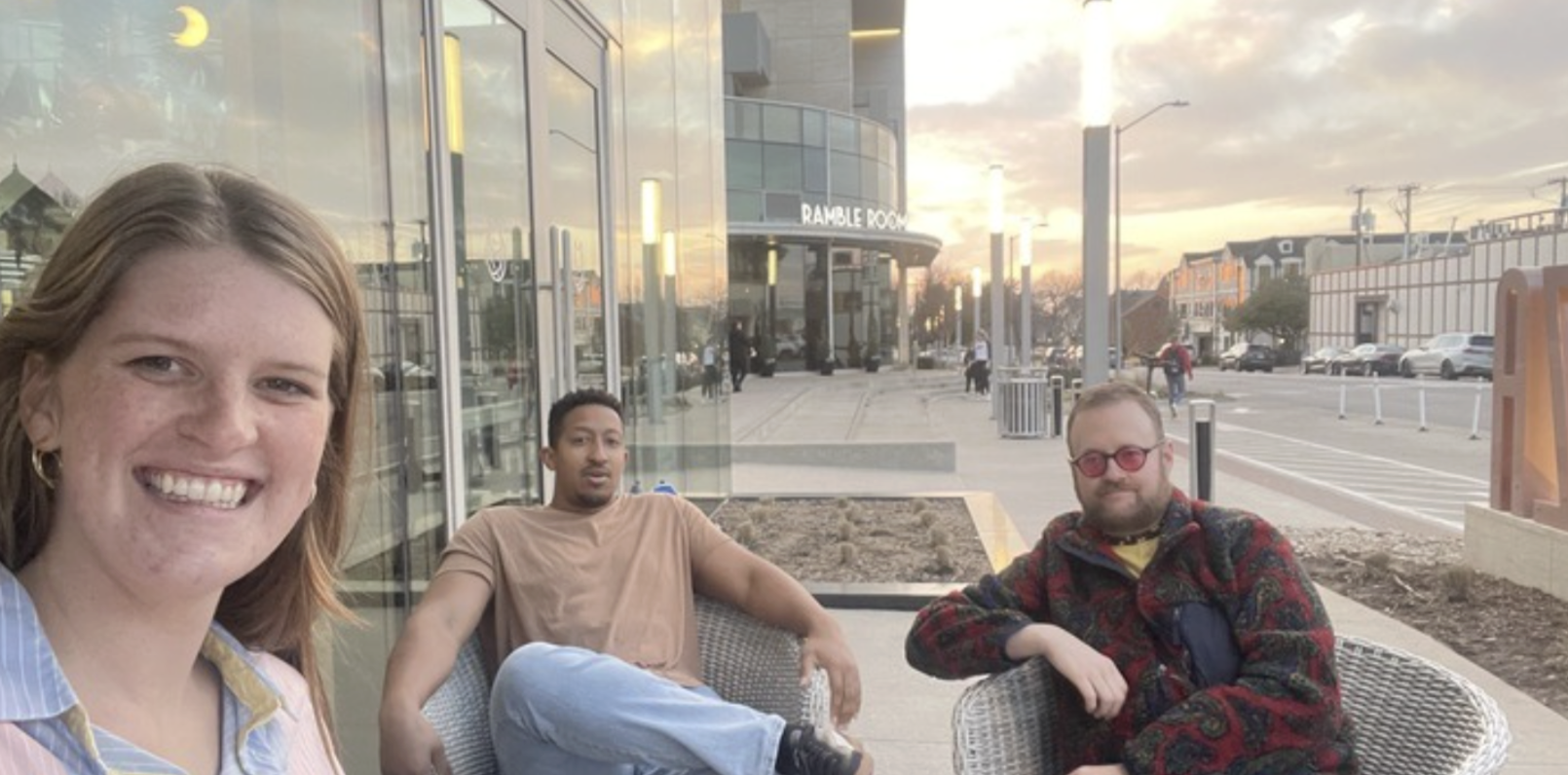
Research Question
Understanding the Problem
We defined key aspects of this challenge:
Easy: reducing friction in the process of returning to movement
Lower-limb difference: amputation, loss of function, or physical disfigurement
Engage: support, inform, and reduce cognitive and emotional burden
Active lifestyle: enabling independence, daily activity, and movement
Key Insights
The most significant barriers to an active lifestyle were not purely physical. Instead, they were deeply connected to identity, belonging, and emotional resilience. Veterans transitioning after limb loss often experience:
loss of purpose
loss of identity
disconnection from former communities
However, when individuals encounter hope, mentorship, and community, they are far more likely to re-engage with movement and physical activity.
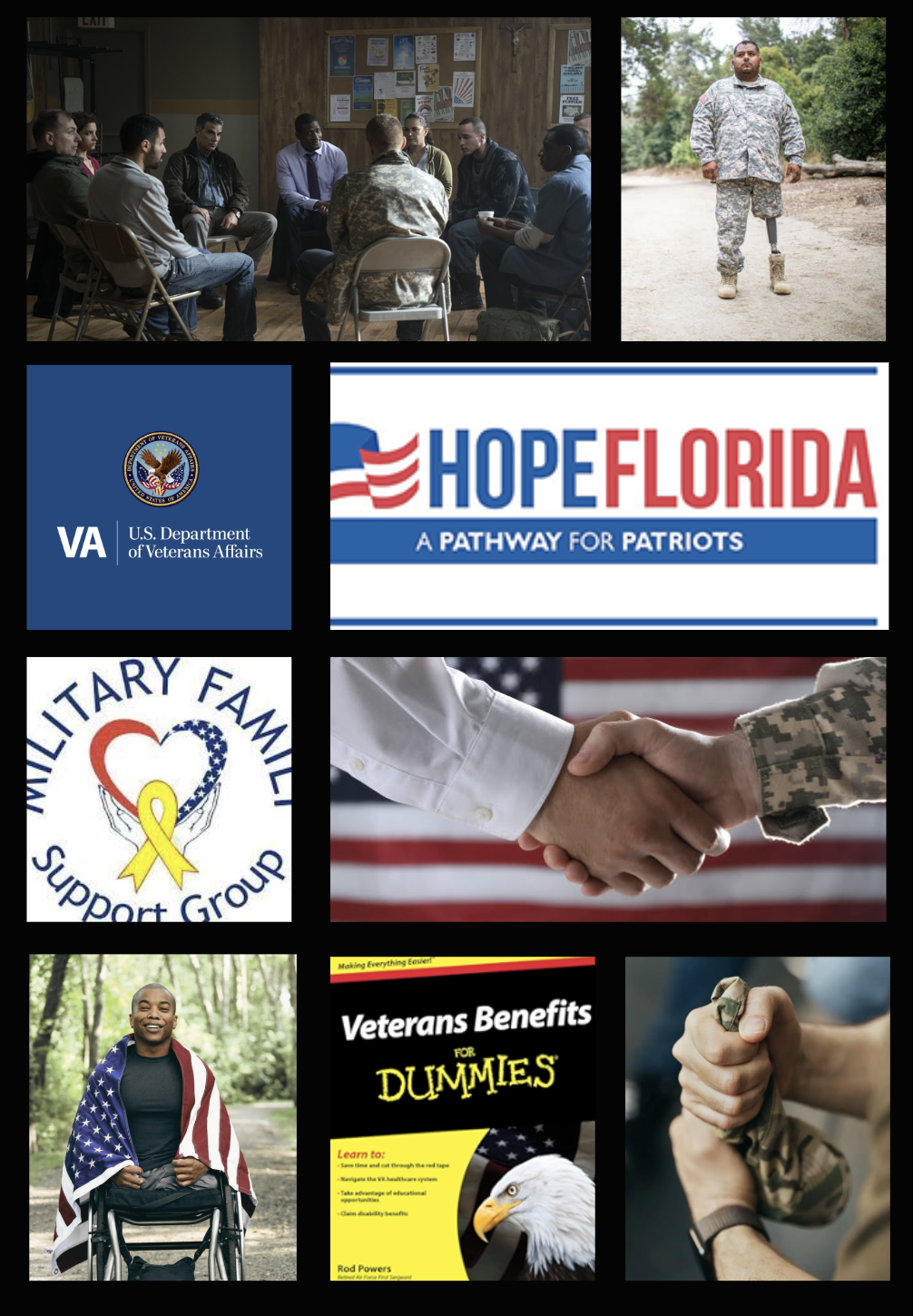
Our research focused on understanding the lived experiences of individuals adjusting to limb loss. We explored three primary groups:
pediatric amputees
veterans
influential figures within adaptive sports and rehabilitation
However, veterans emerged as the group facing the most complex transition challenges.
Expert Interviews
We conducted interviews with individuals who work closely with amputees or have lived experience navigating recovery. Interview participants included
Dr. Arthur Darby, CEO of Unity in the Community and retired Air Force chaplain
Jarryd Wallace, Paralympian and professional adaptive athlete
These conversations provided deeper insights into the emotional and social dimensions of recovery.
Persona Development
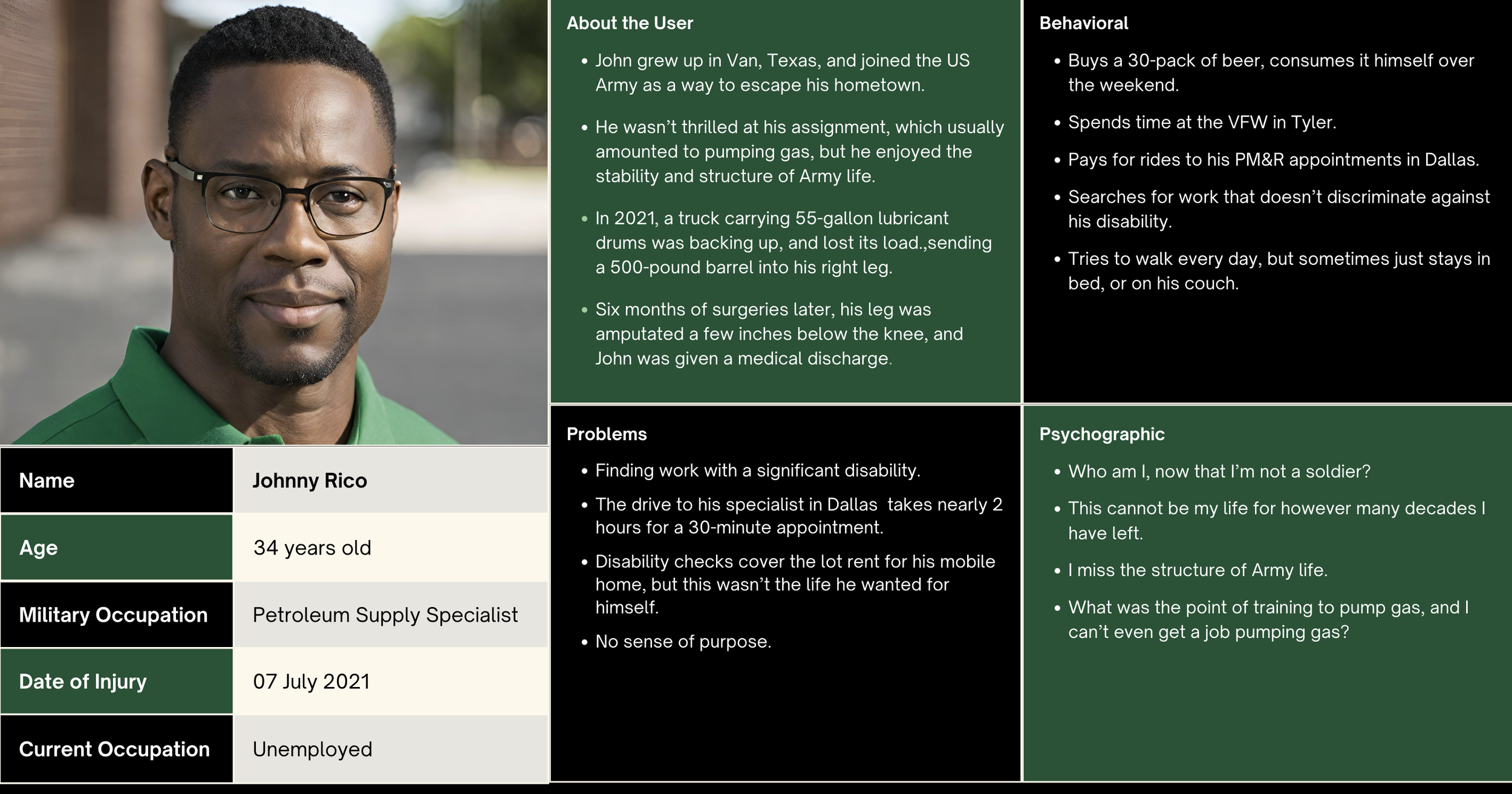
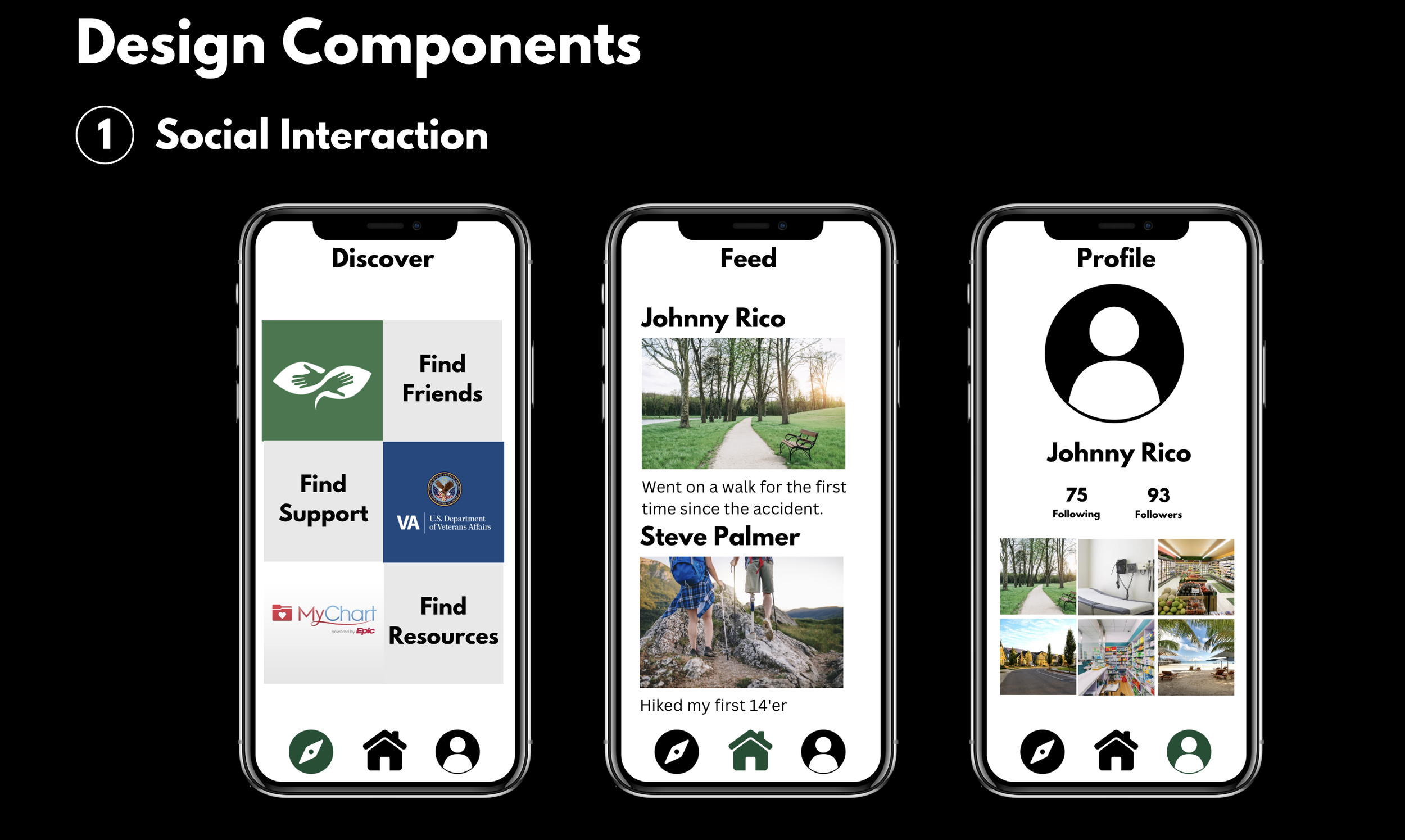
To synthesize our research, we developed a persona representing common experiences among veterans adjusting to limb loss.
Persona: Johnny Rico
Age: 34
Military Role: Petroleum Supply Specialist
Injury Date: July 7, 2021
Johnny represents a service member facing the emotional and logistical challenges of adapting to life after amputation.
His experience illustrates several key struggles:
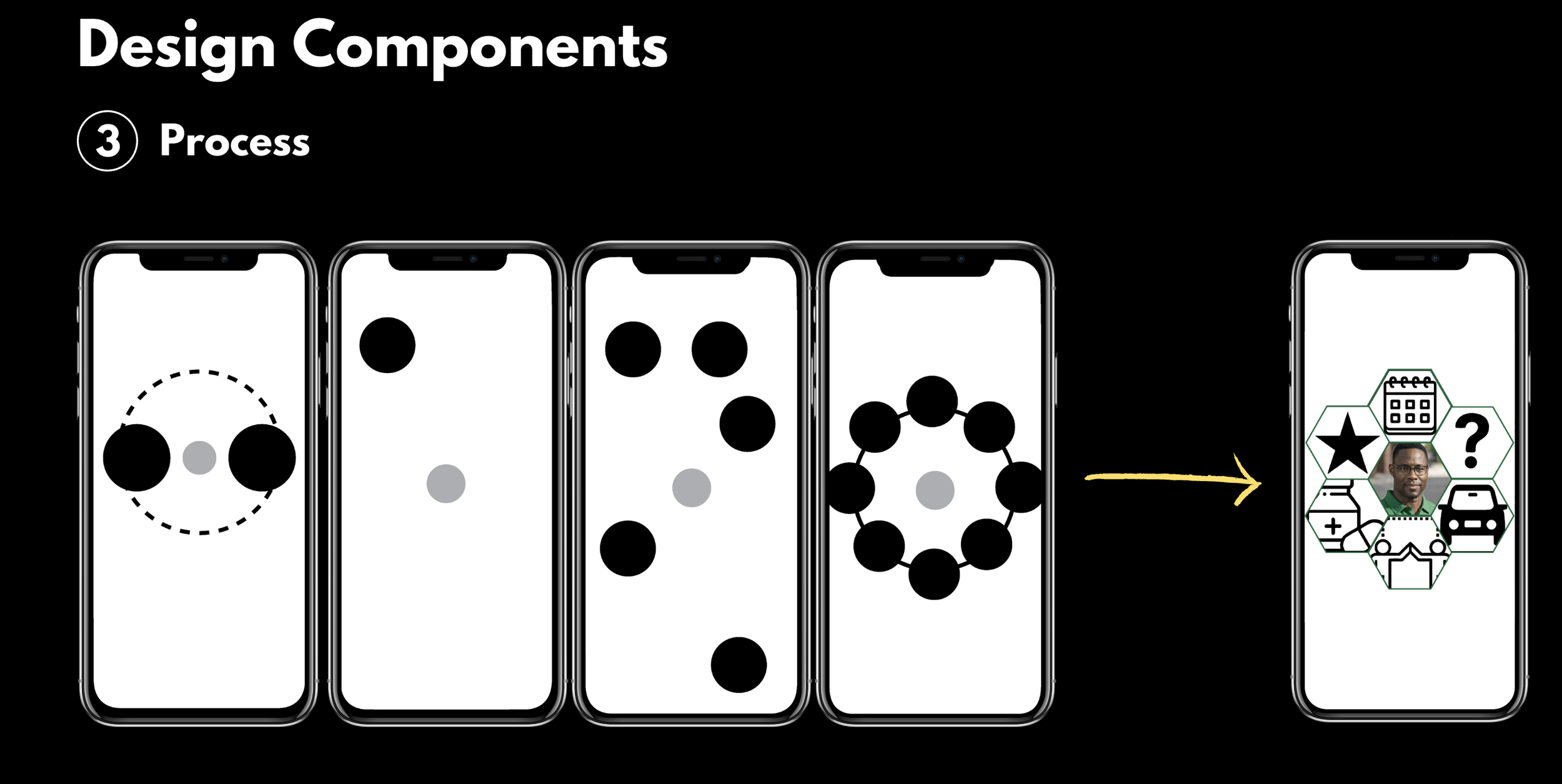
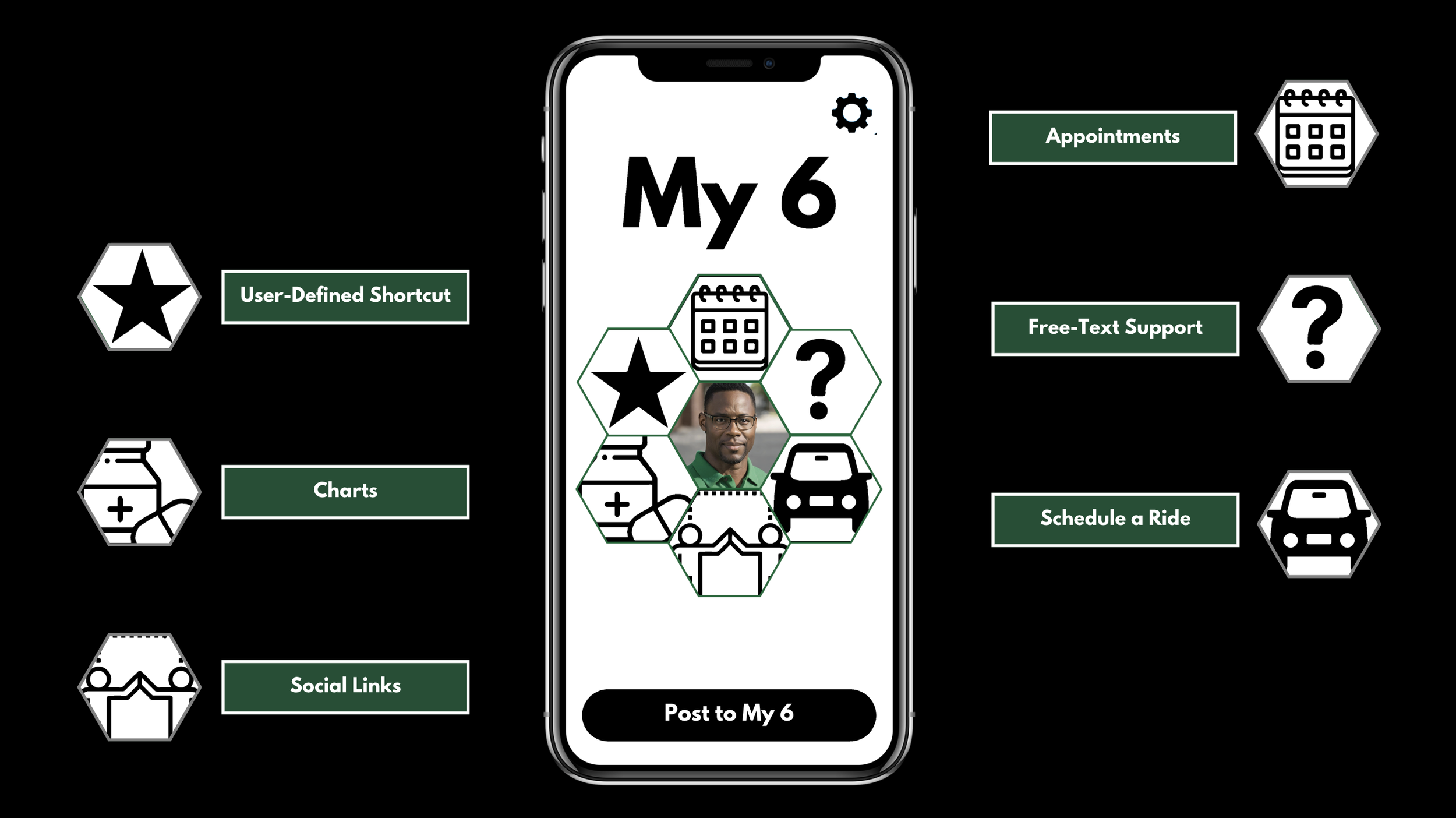
cognitive overload when navigating recovery resources
uncertainty about future capabilities
difficulty rebuilding community connections
Key Pain Points
Our research revealed several recurring barriers that prevent amputees from re-engaging with active lifestyles.
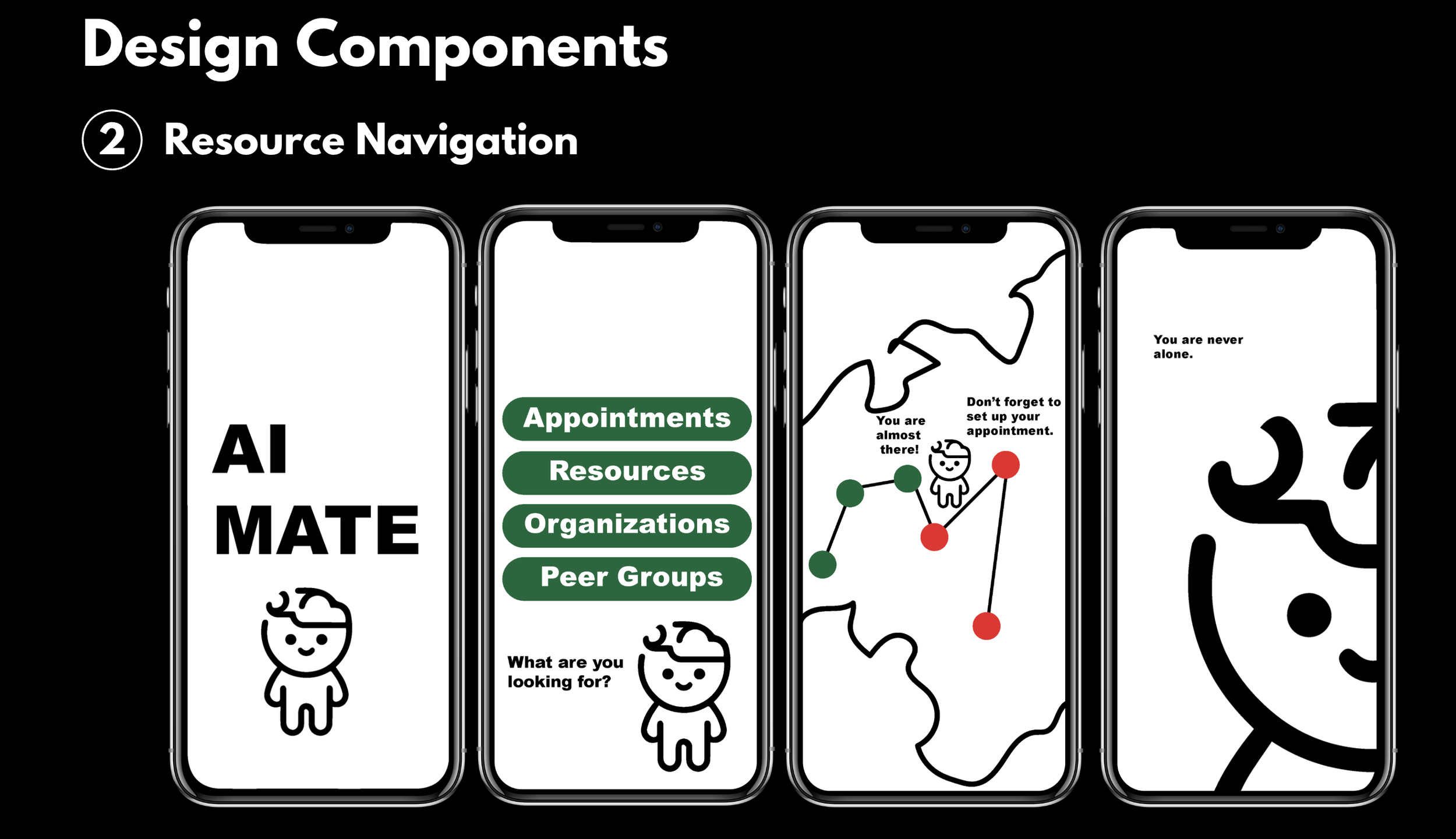
Lack of awareness of available resources
Many veterans are unaware of programs, support networks, or adaptive sports opportunities.
Loss of identity and purpose
Injury can disrupt a veteran’s sense of self, especially when physical capability is tied closely to identity.
Limited peer support
Veteran amputees expressed a need for stronger peer communities and mentorship programs.
Difficult transition to civilian life
Service members often receive limited support navigating the shift from military care systems to civilian environments.
Lack of hope during early recovery
Many individuals struggle to imagine what life can look like after injury.
Imagine and Refine
Our research revealed an opportunity to shift the focus of recovery programs. Instead of focusing only on physical rehabilitation, programs should also address:
identity rebuilding
peer connection
emotional support
clear pathways back to movement
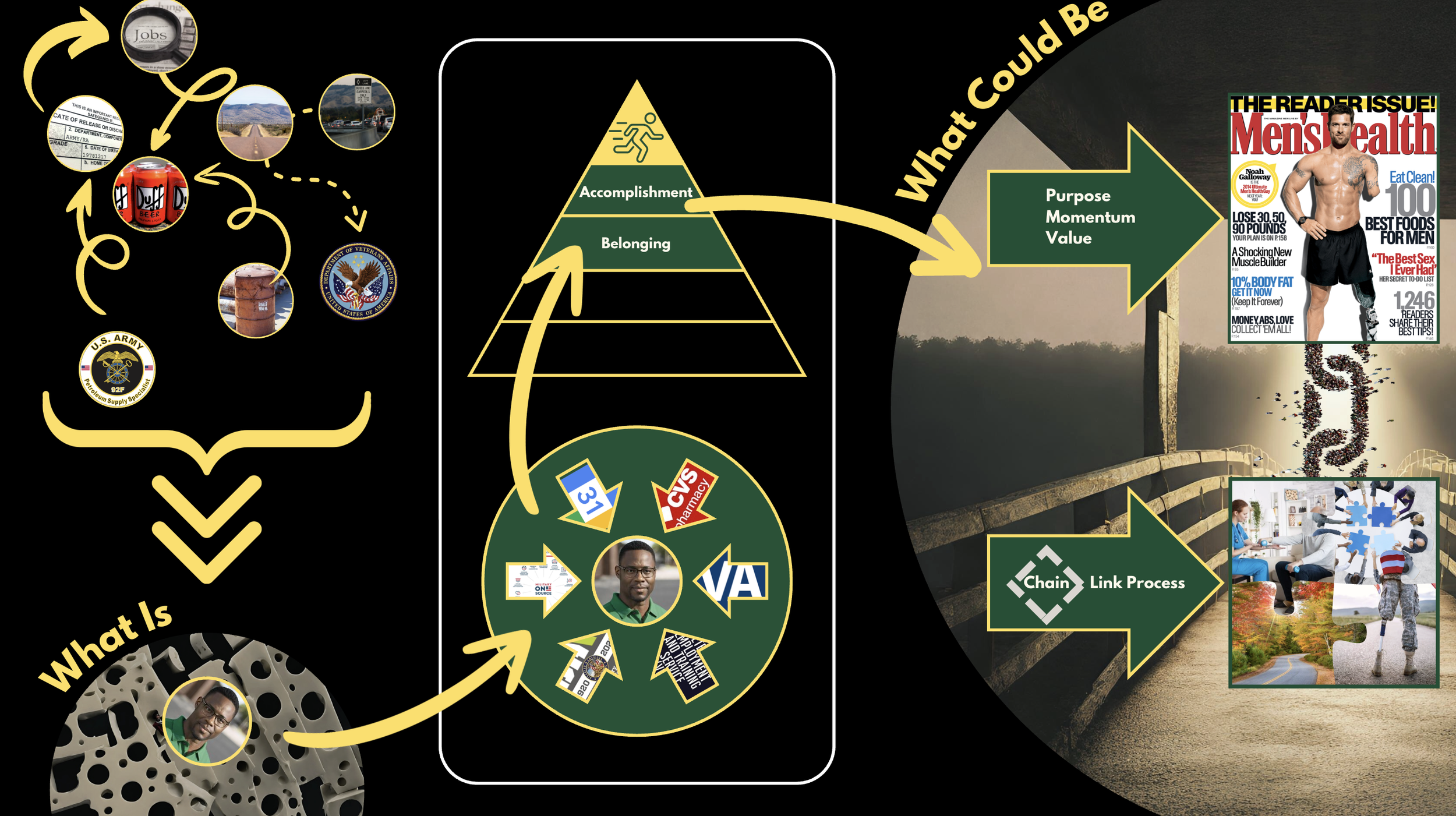
Supporting these psychological needs helps individuals move from “what is” to “what could be.”
The project explored ways to create environments where veterans could regain:
Belonging
Connecting with others who share similar experiences.
Accomplishment
Rediscovering confidence through achievable physical goals.
Hope
Seeing examples of others who have successfully rebuilt active lives.
By emphasizing these values, design interventions can support a more holistic return to active living.
Make
Tell
The biggest barriers to re-engaging in an active lifestyle after limb loss are not purely physical—they are deeply human.
Through interviews, research, and synthesis, we found that recovery is shaped by a complex interplay among identity, community, and emotional resilience, rather than by mobility alone.
Recovery is a transition of identity, not just ability
For many veterans, limb loss represents a sudden disruption to how they see themselves. Physical rehabilitation addresses movement, but it does not fully address the loss of purpose, routine, and identity that often follows.
Designing for this population requires supporting the transition from who they were to who they can become.
Awareness gaps limit access to support
Many individuals are unaware of available programs, adaptive sports opportunities, or recovery pathways. This creates unnecessary friction at a time when guidance is most needed.
The issue is not always a lack of resources—but a lack of clear, accessible pathways to those resources.
Community is a critical driver of engagement
One of the strongest motivators for re-engagement is connection with others who share similar experiences. Peer support provides:
relatability
encouragement
proof of what is possible
Without this, recovery can feel isolating and uncertain.
Hope is a design opportunity
Exposure to stories, role models, and visible success paths can significantly influence motivation. When individuals can see what life after injury looks like, they are more likely to take steps toward it.
This positions hope not as an abstract concept, but as something that can be intentionally designed for.
Reactive systems limit long-term impact
Current systems tend to engage users after challenges arise, rather than proactively guiding them through recovery. This creates a fragmented experience where individuals must navigate complex decisions on their own.
There is a clear opportunity to design more proactive, continuous support systems.
Final Takeaway
This project reframed the problem from restoring movement to restoring belonging, purpose, and confidence.
Designing for active lifestyles in this context means creating systems that:
connect people to communities
provide clear and motivating pathways forward
support both emotional and physical recovery
Ultimately, meaningful impact comes from designing not just for what people can do, but for how they see themselves and their future.