Strengthening Community Engagement for Urban Farms
Duration
Aug 2025 - Dec 2025
Client
Dallas-Dallas County Food System
My Role
Field Researcher | Content Writer | User Testing
Research Question
How might urban farms in Dallas–Dallas County strengthen relationships with nearby communities so they can participate more effectively in the local food system?
The Problem
Small urban farms often provide valuable services to their communities, including:
access to fresh produce
educational programming
volunteer opportunities
community gathering spaces
However, many nearby residents do not know these farms exist or understand their impact. Even when farms are physically close to neighborhoods, the connection between farms and residents is often weak. This disconnect limits the ability of farms to:
attract volunteers
build loyal customers
create lasting community relationships
contribute fully to the broader food system
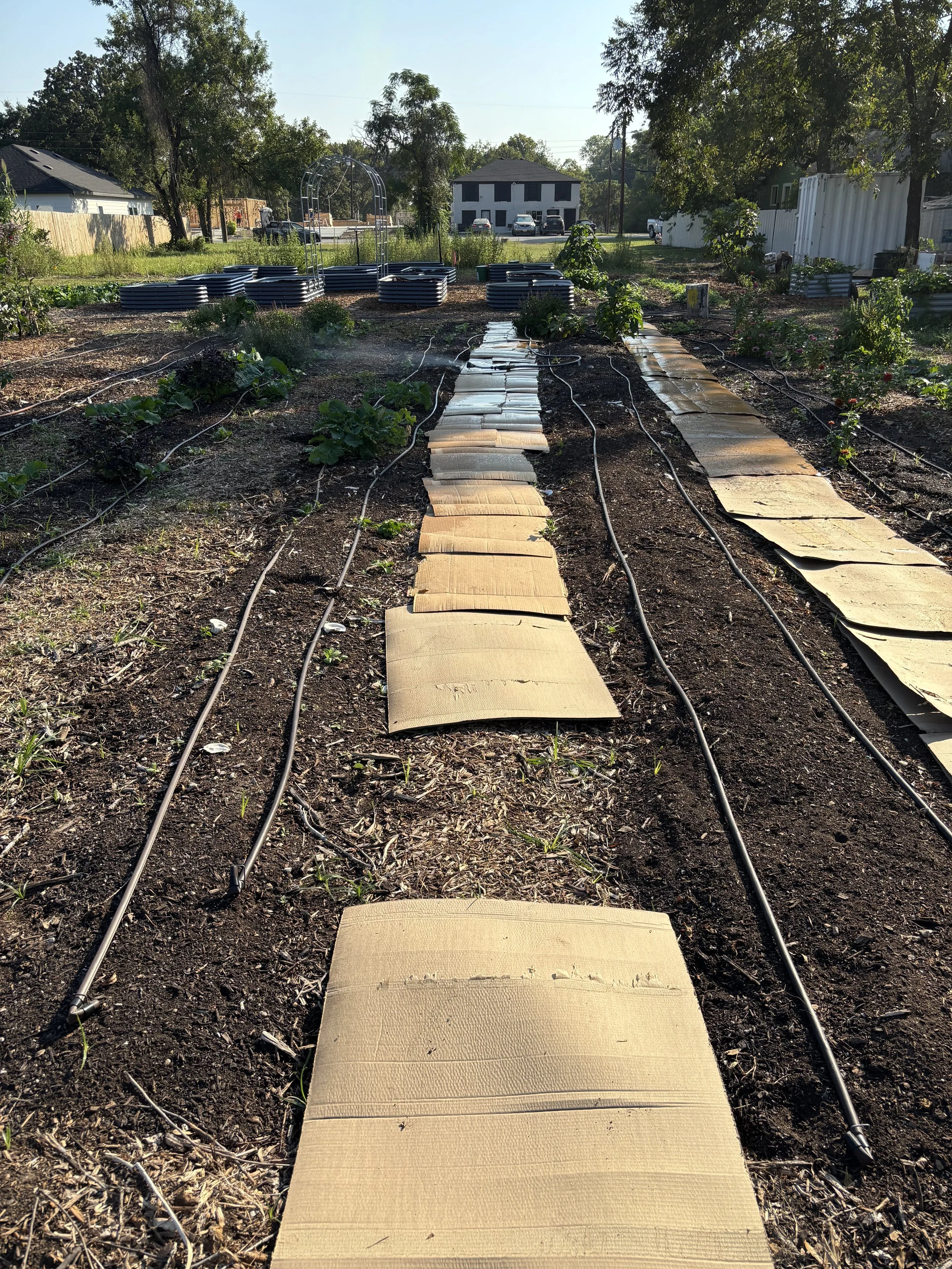
How might urban farms in Dallas–Dallas County strengthen relationships with nearby communities so they can participate more effectively in the local food system?
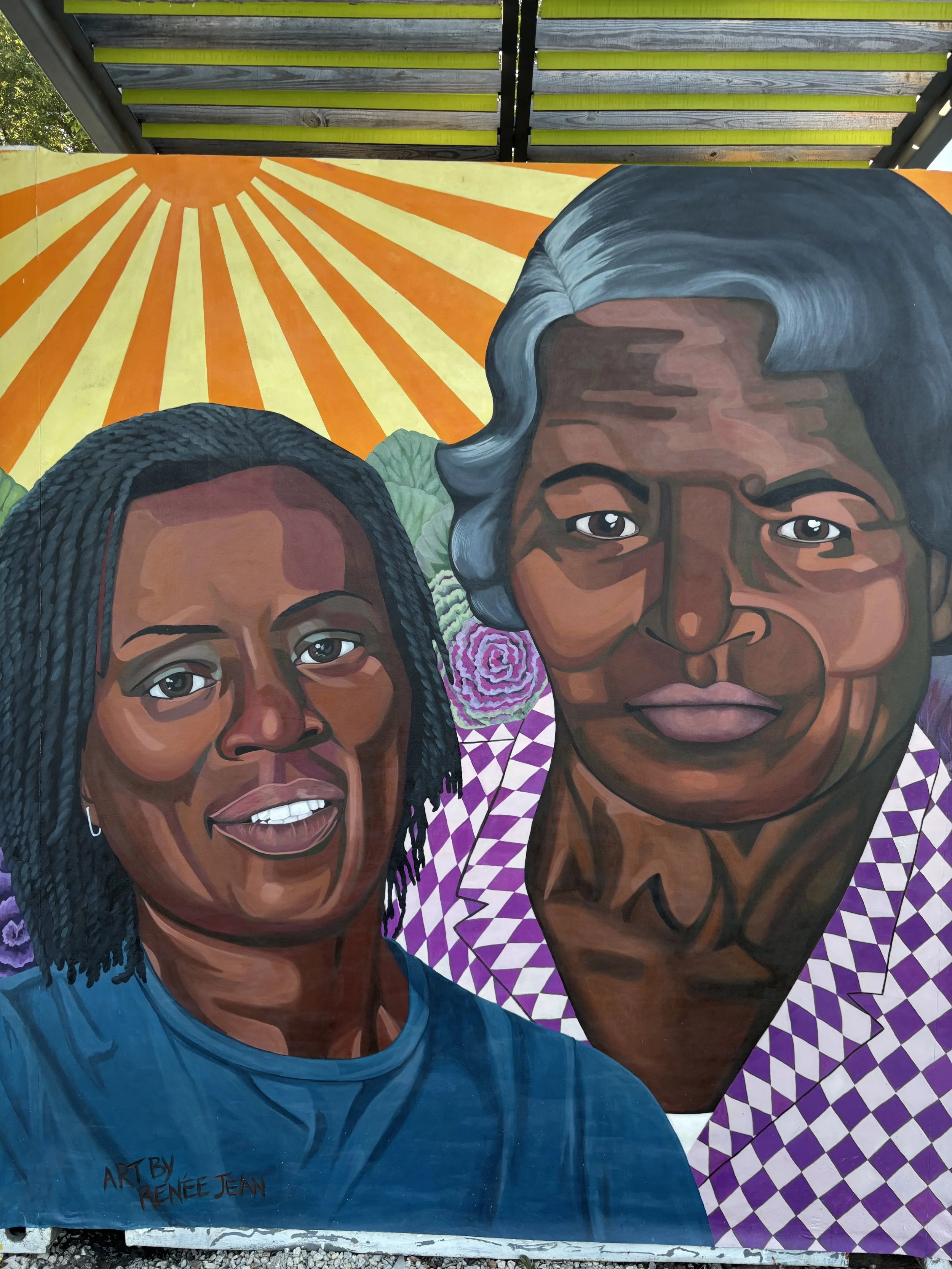
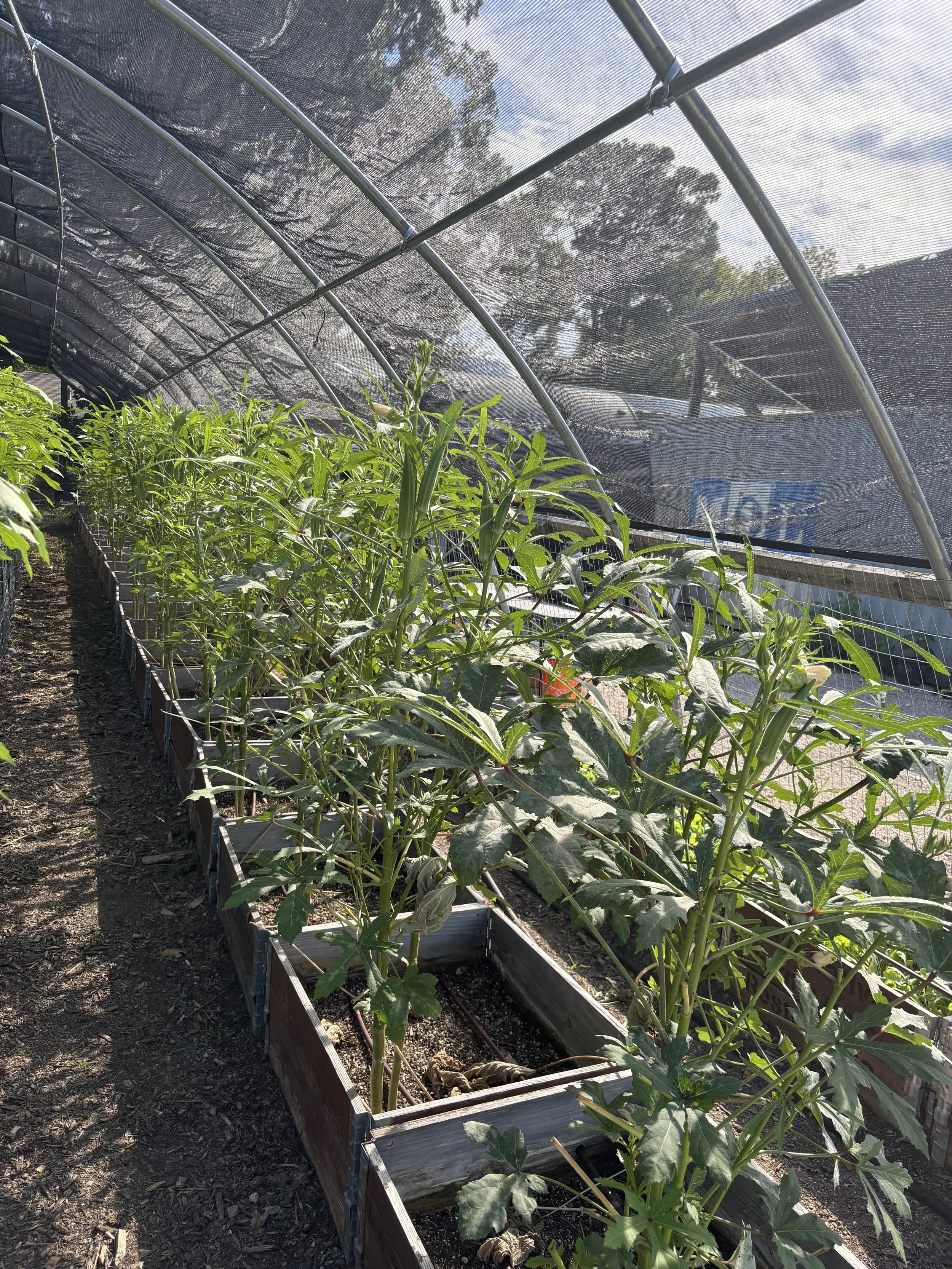
Understanding the Problem
Our research focused on how urban farms interact with the communities around them. We explored questions such as:
How do residents learn about nearby farms?
What motivates people to engage with local food systems?
What barriers prevent community participation?
Through interviews, observations, and community research, we studied how farms currently communicate their missions and engage with residents.
Engagement Is Relational, Not Transactional
One of the most important discoveries was that engagement with urban farms is fundamentally relational rather than transactional. People were rarely motivated solely by purchasing produce. Instead, they were motivated by:
connection to the farm’s mission
relationships with the people running the farm
opportunities to participate in the community
This insight shifted our design thinking away from economic scale and toward community connection.
Joppy Momma’s Farm
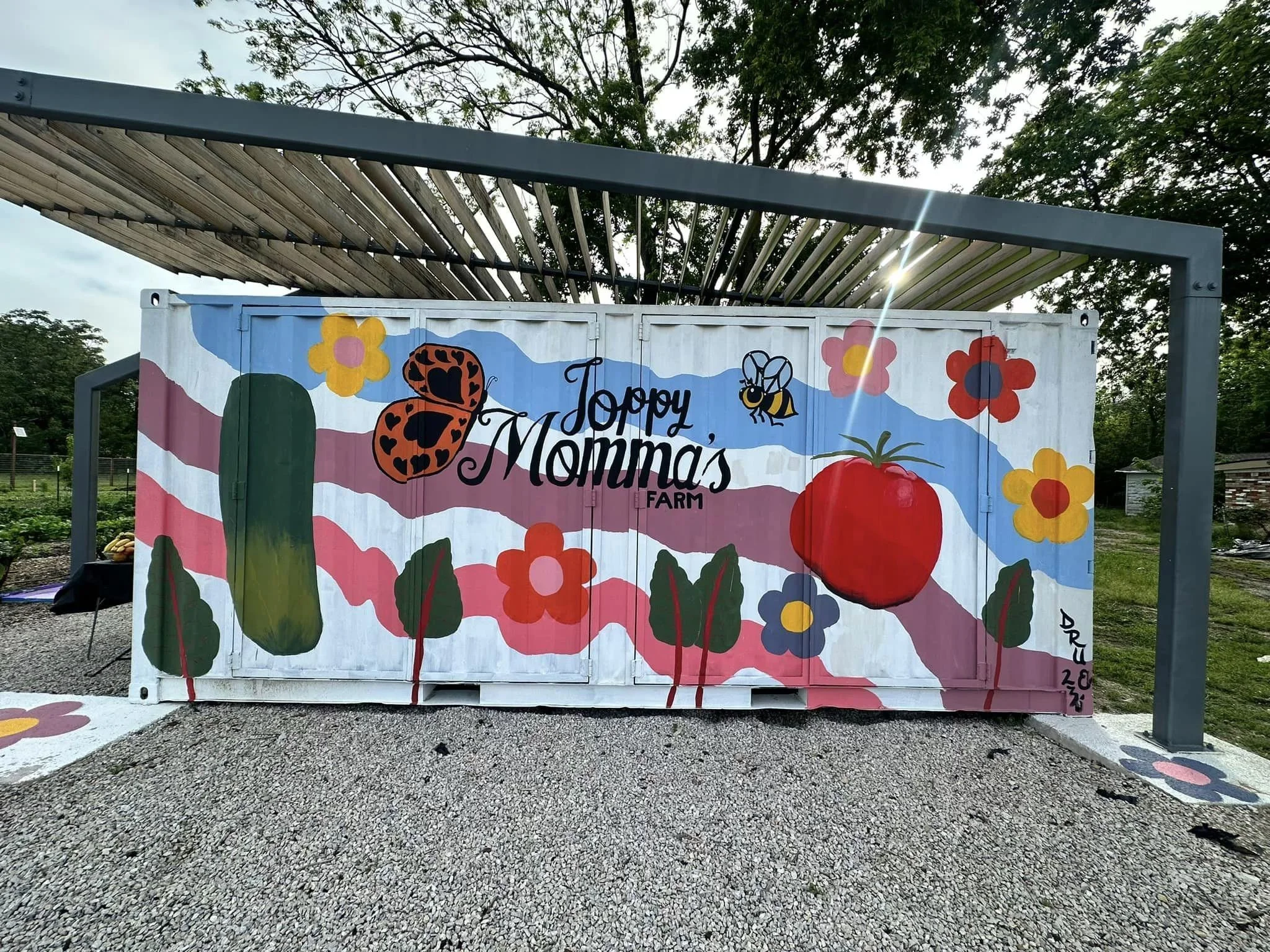
One of the farms we studied was Joppy Momma’s Farm, located in South Dallas. The farm has a powerful mission centered on:
food justice
community empowerment
education and access to healthy food
However, many nearby residents were unaware of the farm or its impact. When the story of the farm and its people was presented in a compelling way, community members showed significant interest in becoming involved. This revealed the power of storytelling as an engagement tool.
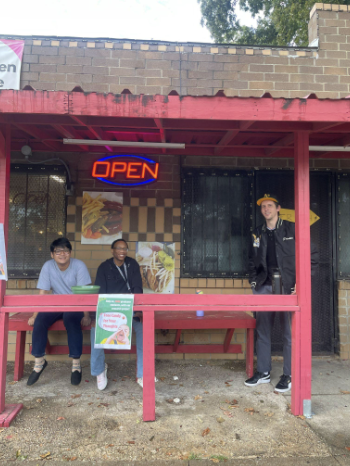
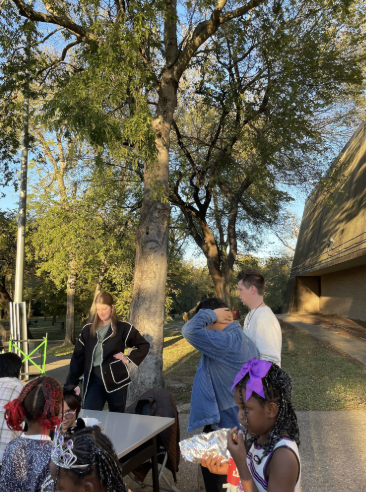
Our team used worksheets at a local restaurant, “Tha Neighborhood Kitchen”, to better understand the community’s eating and food habits and see if they were familiar with Joppy Mommas Farm.
Talking to the Community
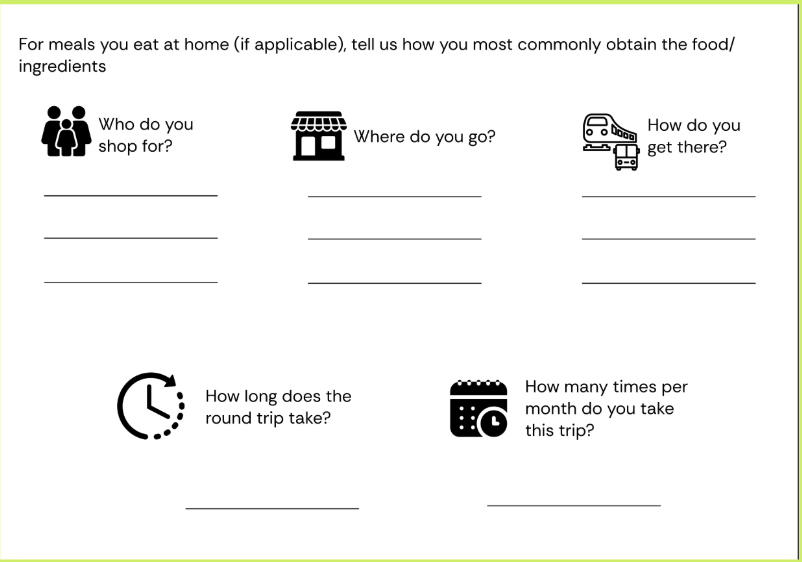
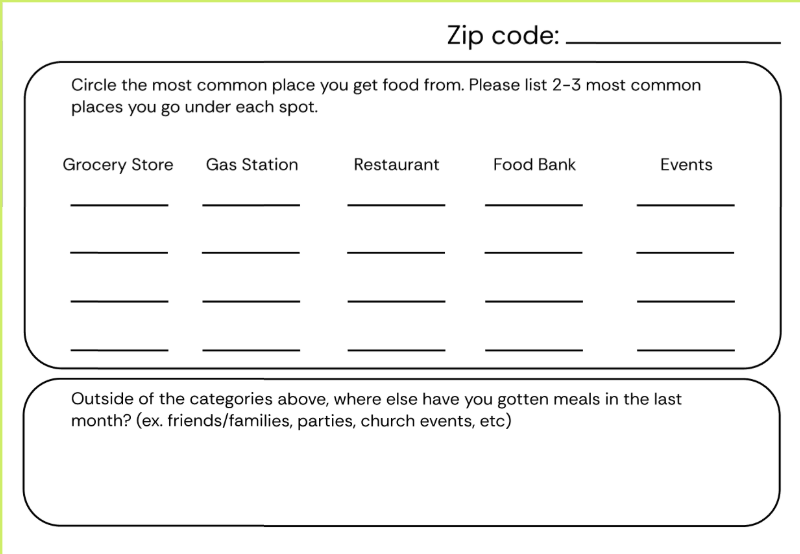
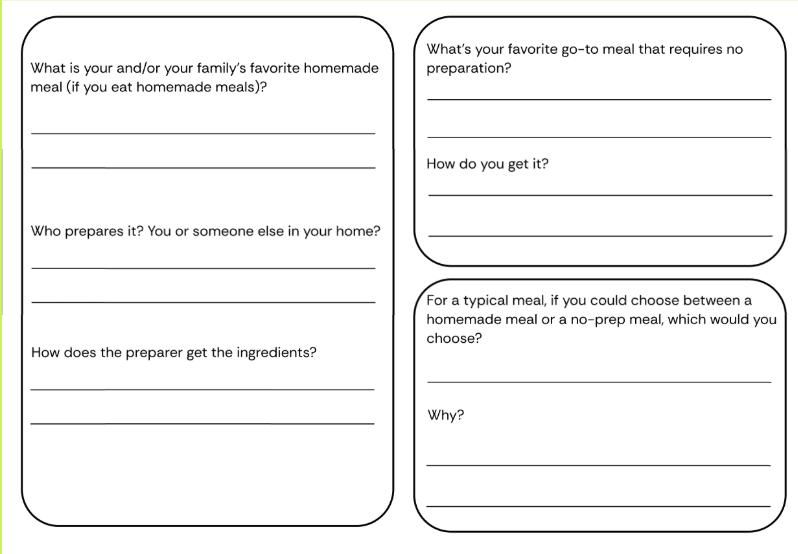
Conversational Quotes:
“Less chemicals and preservatives; I know exactly what I'm putting in it” - Shops for 3
“You know the person who prepared meal” - Shops for Family
“I'm the one making it; I prefer my own cooking” - Shops for Kids
Imagine and Refine
Based on our conversations with the community. We found that people were more inclined to engage with the farm if they knew the story and purpose of the farm.
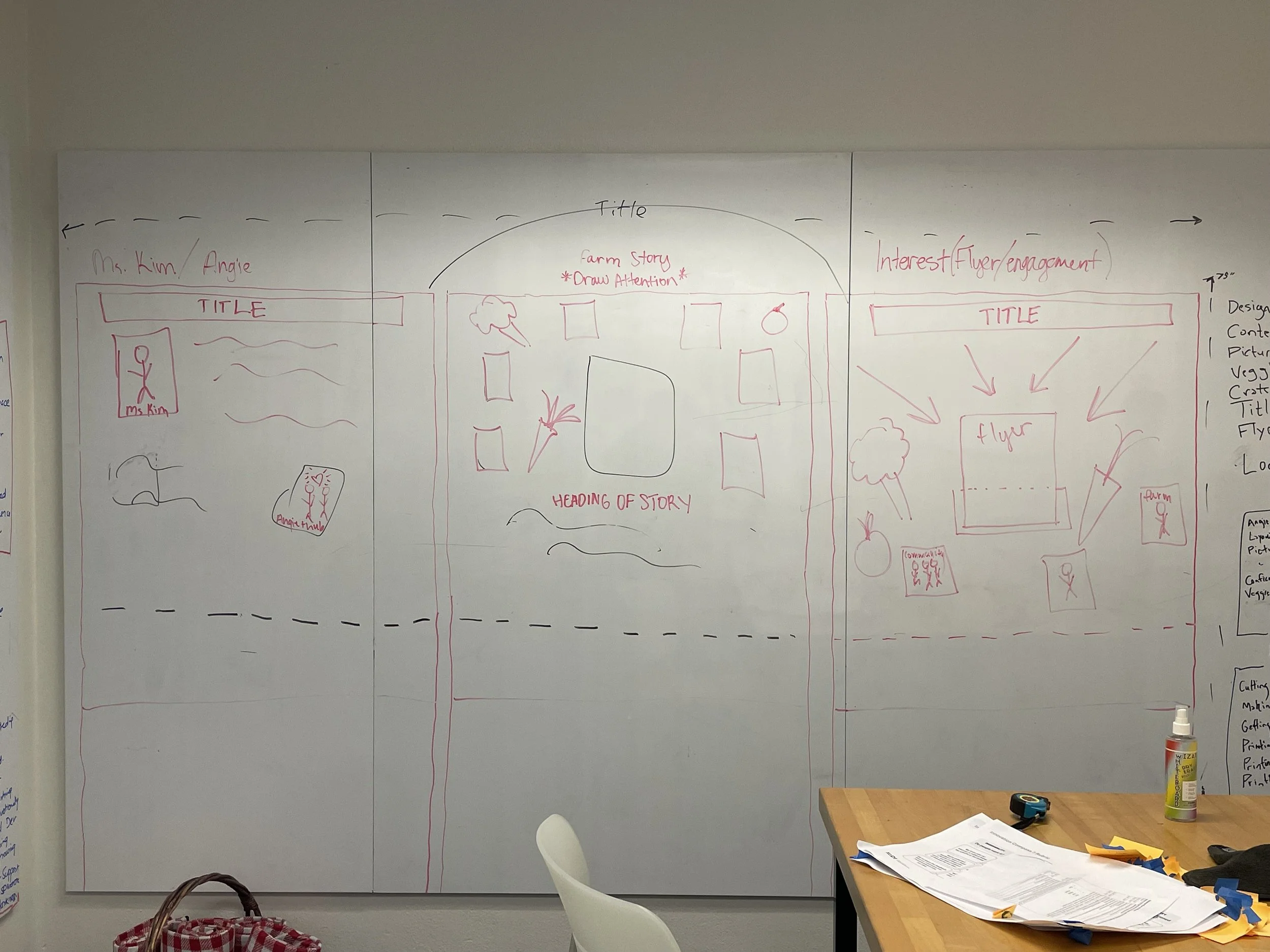
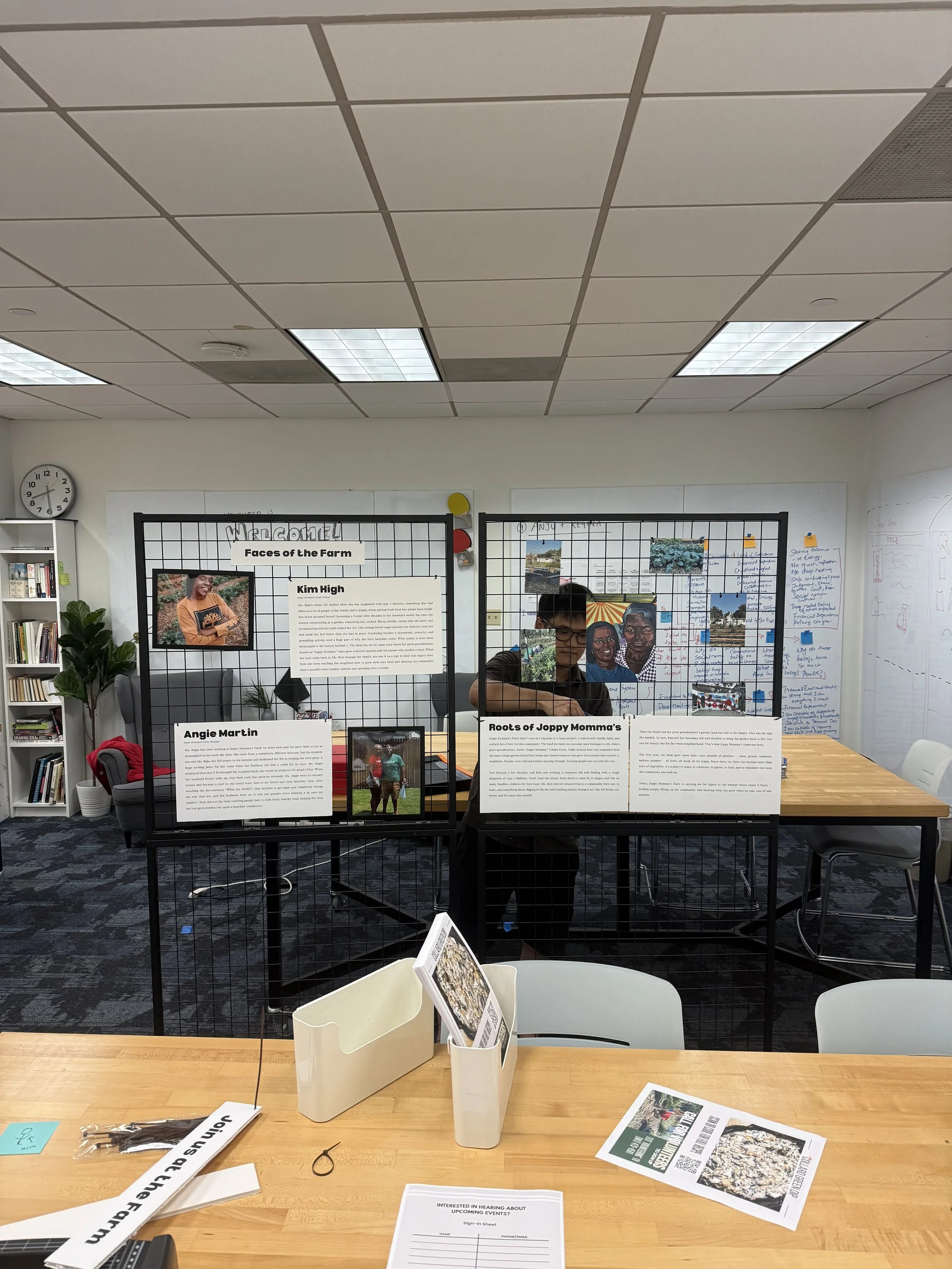
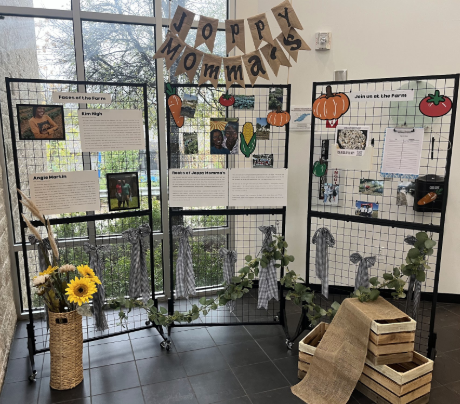
From there we came up with “Farm Stories” a way to showcase the story of Joppa Momma’s farm. We took inspiration from story boards in Museums and came
Story Board
Major features of the story board:
Story of Joppy Momma’s
The story of Ms. Kim and other key firgures at the farm
What’s included:
Images of the farm through the years
Impactful stories
Photos of the people whose stores are being shared
Physical handouts/takeaways
Call to action:
Encourage people to engage with the farm in some way - visiting the farm, volunteering at the farm, or purchasing produce from the farm.
Measurements:
Four ways to measure engagement
Flyers taken
Recipe QR code scanned
Volunteer number texted
Event interest sign-ups
Purpose:
To determine if people are actually moved to engage further with the farm after exposure to stories.
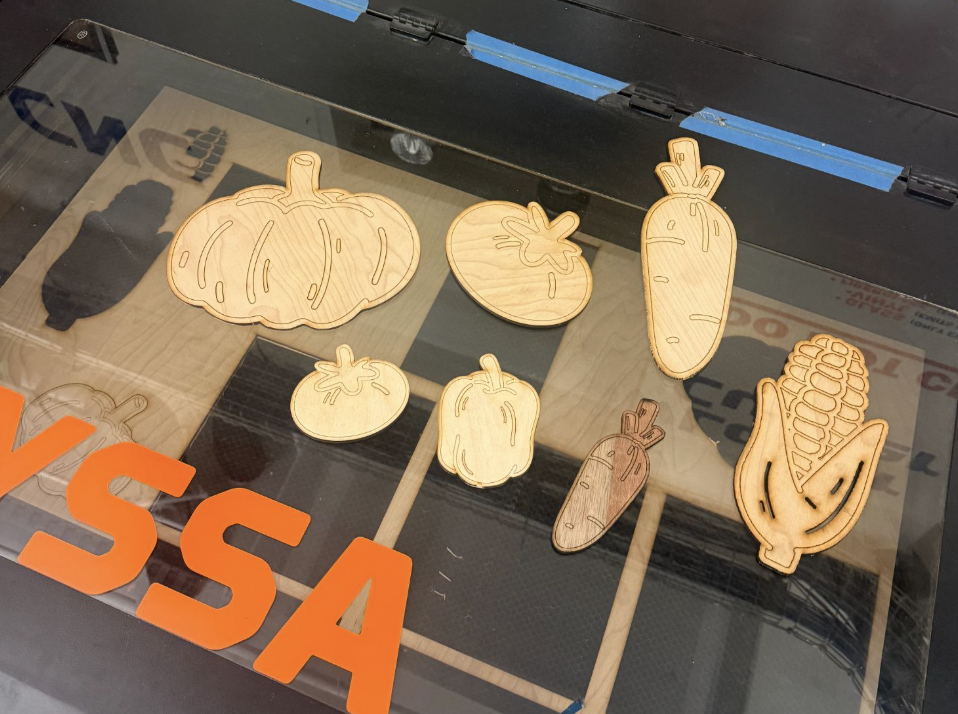
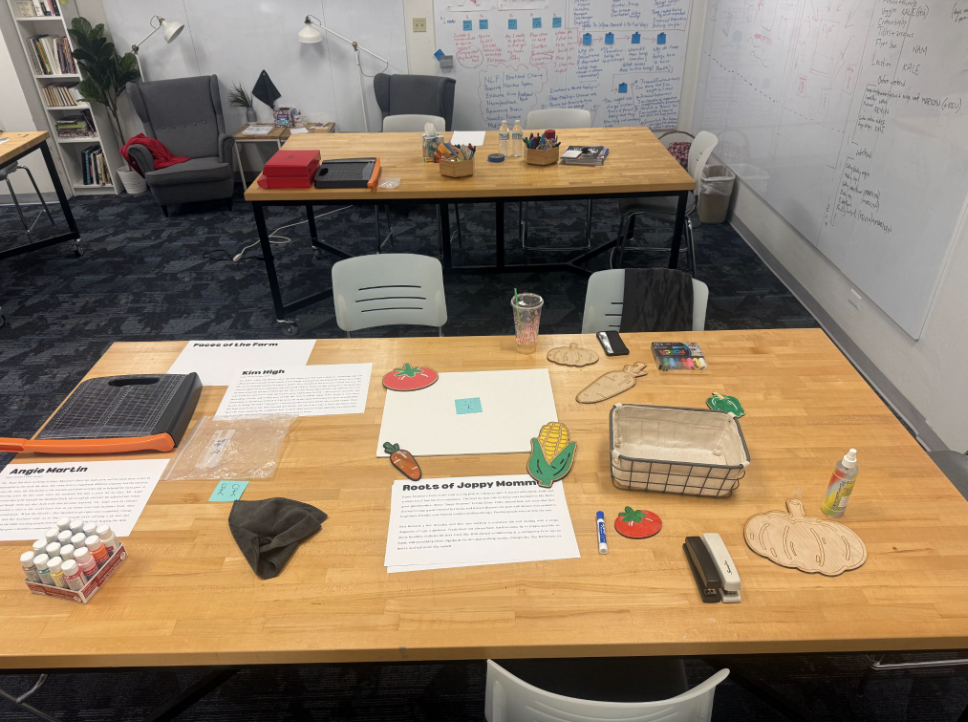
Make
Test
We collected data for 11 business days between November 24th and December 17th, including two hours of in-person observation.
Quantitative Data:
26 flyers taken
16 event sign-ups
10 recipe QR scans
0 interested volunteers
Qualitative Data
~1 in 4 people stopped to look at the display
Everyone who stopped at the display either took a flyer or signed up.
Tell
Our research identified three principles for connecting farms to communities
Powerful Stories
Know your community
Multiple Paths to Engagement
Powerful Stories
The powerful stories embedded in the history and mission of urban farms can inspire engagement
We were inspired as we learned about the stories behind each of the farms that we learned about
We found that many people know about these farms, but know little about the great things they are doing
When the story of Joppy Momma’s and its people was presented compellingly, people showed a willingness to take a step further and engage
Know Your Community
Know your “community” and how they prefer to receive communication
For the community around Joppa, we determined through our research that tangible, physical communication would be preferable to digital channels
Word-of-mouth is a powerful force in this community, and there are some central gathering places where a lot of person-to-person interaction occurs
Multiple Paths to Engagement
An urban farm can mean something different to everyone who engages with it; offering multiple ways to engage creates community connection
The unique experience each urban farm can provide means multiple pathways for engagement
Through various channels, the community is offered numerous ways to participate and form new connections
Framework for Engagement
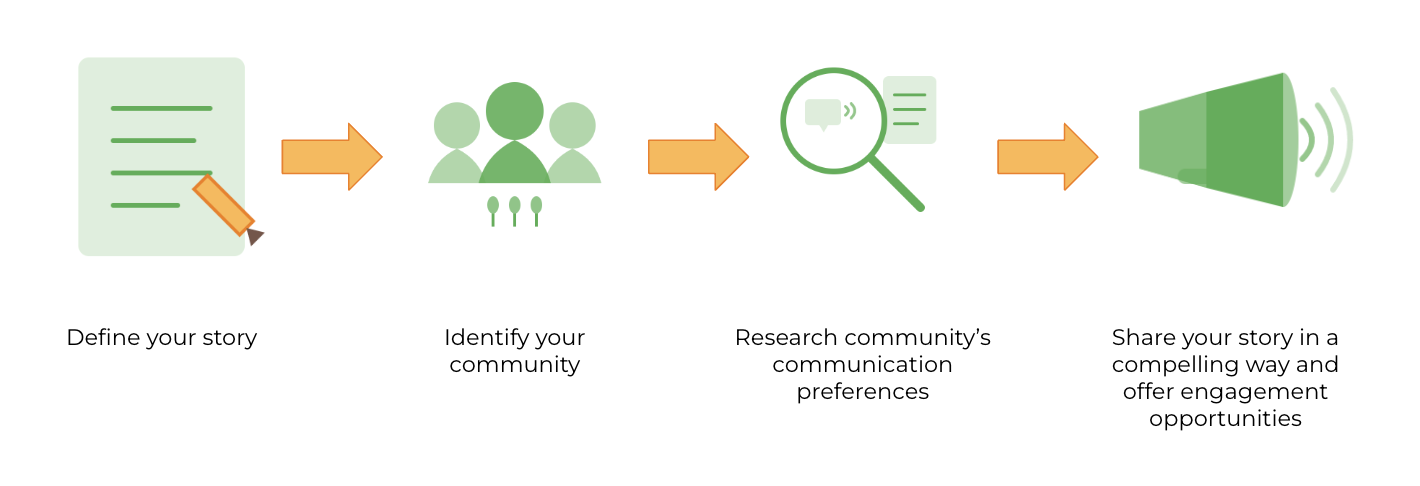
How might we enable small urban farms to successfully participate in the larger Dallas-Dallas County Food System?
By getting the powerful stories embedded in each farm’s history and mission out to targeted communities through tailored means of communication